
 Contact Us
 My Account
 Basket


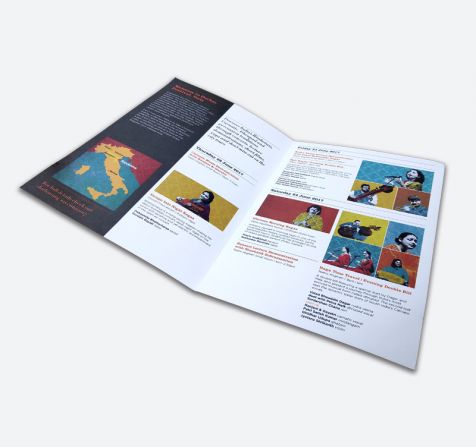
In the dynamic world of marketing, businesses are constantly exploring new ways to engage with their audience. A key innovation gaining momentum is the integration of QR codes into printed materials. This fusion of the physical and digital realms, often referred to as “phygital” marketing, offers a seamless bridge between traditional print and the dynamic online world.
The Surge of QR Code Usage in the UK
The United Kingdom has witnessed a remarkable adoption of QR codes in recent years. According to QR code, approximately 86.66% of UK smartphone users have scanned a QR code at least once, with 36.40% doing so on a weekly basis. This upward trend highlights the growing synergy between print and digital, driven by the demand for contactless experiences and increased smartphone usage.
From hoarding boards and posters to die cut flyers, and direct mail, businesses are embedding QR codes to enhance engagement, track responses, and drive traffic to digital platforms. Whether it’s linking to menus, booking systems, product pages, or exclusive offers, QR-enabled print assets are fast becoming a staple in modern omnichannel campaigns—bridging the tactile with the technological.
Advantages of Incorporating QR Codes in Print
- Enhanced Consumer Engagement: QR codes provide an interactive experience, allowing consumers to engage with additional content such as videos, promotions, or product information by simply scanning the code.
- Real-Time Analytics: Marketers can track the performance of their campaigns by monitoring scan rates, user locations, and device types, enabling data-driven decisions.
- Cost-Effective Updates: Unlike traditional print materials that require reprints for updates, the content linked to a QR code can be modified in real-time, ensuring that the information remains current without additional printing costs.
- Sustainability: By reducing the need for multiple printed materials, QR codes contribute to environmental sustainability efforts.
Easy Tracking and Analytics
A key advantage of QR codes lies in their capacity to deliver actionable data insights. By connecting QR codes to trackable URLs, businesses can monitor scan frequency, timing, and location, providing valuable insights into customer behaviour and enabling data-driven marketing refinements.
Example: A retail brand distributes three versions of a flyer across nearby towns, each featuring a unique QR code linked to a specific landing page. The flyer includes a “10% off your next in-store purchase” offer to encourage scans.
Key Benefits
- Location-Based Insights: QR scan data reveals which area generated the most interest, helping to optimise future leaflet distribution and refine strategies based on effective leaflet folds and design layouts.
- Behaviour Analysis: Identifying peak scan times aids in refining campaign timing and messaging.
- Design Performance: Comparing scan rates across flyer variations helps determine which design drives better engagement.
- Agile Marketing: Underperforming areas can be addressed in real time with adjusted offers or targeted digital follow-ups.
Creating a QR Code
Creating a QR code is super simple and often free. Start with these essential tools:
- Canva: Canva’s QR code generator can be found within the Apps menu. Enter the desired URL, customise the QR code’s colour to align with your brand, and generate a downloadable version.
- Adobe Express: Adobe Express provides a QR code generator with customisation features and download options in PNG, JPEG, or SVG formats. Adobe InDesign also includes a built-in tool for embedding QR codes directly into design layouts.
- Adobe InDesign: InDesign includes a built-in feature that allows you to create QR codes for your print projects. Go to Object > Generate QR Code. Here, you can embed links to email addresses, text messages, or websites—ideal for enhancing your printed materials.
- Online Tools: There are numerous free QR code generators available online. While some platforms offer added features like click tracking or personalisation, basic QR codes can typically be generated without the need to sign up. Examples of popular tools include QR Code Generator and QRStuff.
Real-World Applications in the UK
Numerous UK businesses have successfully integrated QR codes into their print materials:
- Retail: Many supermarkets like Tesco and Morrisons have begun replacing traditional barcodes with QR codes on product packaging, providing consumers with detailed product information and promoting sustainability efforts.
- Events: Event organisers use QR codes on tickets and promotional materials to streamline check-ins and provide attendees with real-time updates.
- Education: Educational institutions incorporate QR codes in brochures and posters to link students to additional resources and information.
Conclusion
Integrating QR codes into print materials offers a unique opportunity for businesses to connect with their audience in a meaningful way. By bridging the gap between the physical and digital worlds, QR codes facilitate enhanced engagement, provide valuable insights, and contribute to sustainability efforts. As the UK continues to embrace this technology, businesses that adopt QR codes in their marketing strategies will be at the forefront of innovation and customer satisfaction.
For more information on how QR codes can enhance your print marketing efforts, visit VC Print.


