
 Contact Us
 My Account
 Basket


Creating a professional business letterhead is essential for establishing credibility and ensuring effective communication. In the UK, certain legal and design standards must be observed. This guide provides a comprehensive overview of how to design a letterhead that meets UK standards and reflects your brand identity.
Understanding the Definition of Letterhead
A letterhead is a pre-printed section of stationery that includes a company’s name, logo, address, and contact information. It serves as an official representation of the business and is used for formal correspondence. The definition of letterhead encompasses both the design elements and the legal information required for business communications.
Legal Requirements for UK Business Letterheads
In the UK, businesses must adhere to certain legal requirements when designing their letterheads:
1. Limited Companies: Must state the registered company name, registration number, jurisdiction of registration (e.g., England and Wales), and the registered office address.
2. Sole Traders: Should include the business name, the proprietor’s full name, and the business address.
3. Partnerships: Are required to list the full names of all partners along with the principal office address.
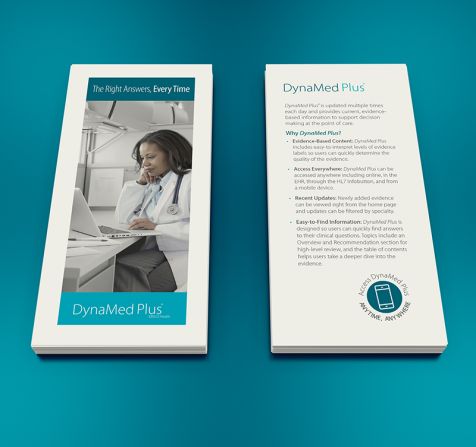
Including this information ensures compliance with the Companies Act and enhances transparency in business dealings. Designing an effective letterhead involves careful consideration of branding consistency, clear typography, and strategic layout. Incorporating elements such as leaflet folds within printed communications can also improve presentation and organisation, particularly for multi-section documents.
High-quality paper, such as bond stock, signals credibility and leaves a lasting impact. Understanding what is a letterhead paper is crucial—it refers to pre-printed paper featuring your company’s official design. Using specialised letterhead paper enhances the authenticity and professionalism of your documents. Creating a professional letterhead not only complies with UK standards but also effectively represents your company’s identity.
Designing an Effective Letterhead
When considering how to make a business letterhead, focus on the following design elements:
1. Branding Consistency- Ensure that your letterhead aligns with your company’s branding by using consistent logos, colour schemes, and fonts. It enhances brand recall while showcasing a credible business presence.
2. Clear Typography- Choose legible fonts and appropriate sizes to maintain readability. Refrain from using ornate fonts that can detract from the letter’s clarity.
3. Strategic Layout- Organise information logically, typically placing the company logo at the top, followed by the company name, address, and contact details. This structure guides the reader’s eye and ensures essential information is easily accessible.
4. Quality Paper- Opt for high-quality paper stock to convey professionalism. Using premium paper enhances the sensory experience and makes a lasting impression.
Creating a Letterhead Template in Word
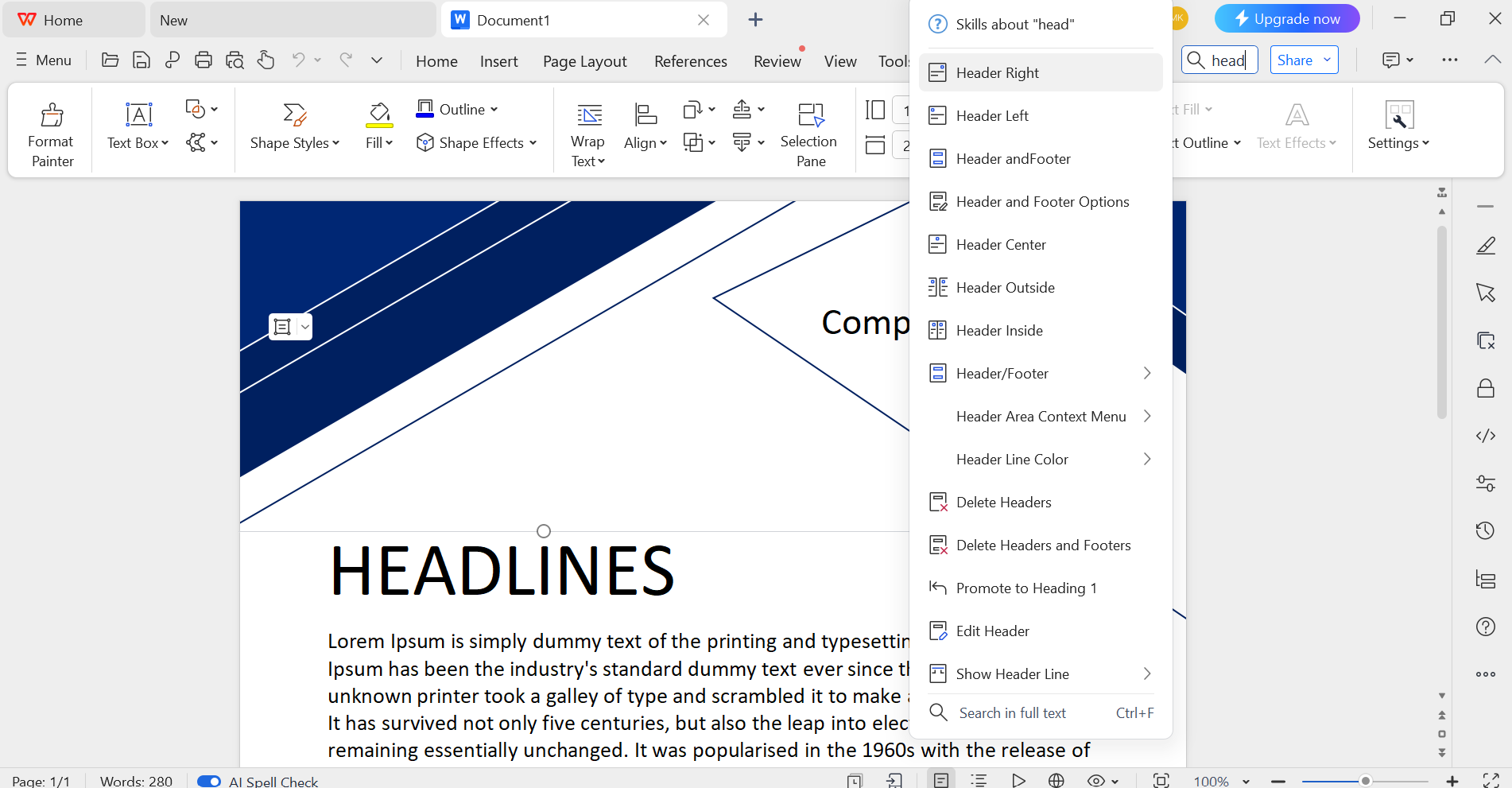
For those wondering how to create a letterhead template in Word, follow these steps:
Open Microsoft Word and Create a New Document
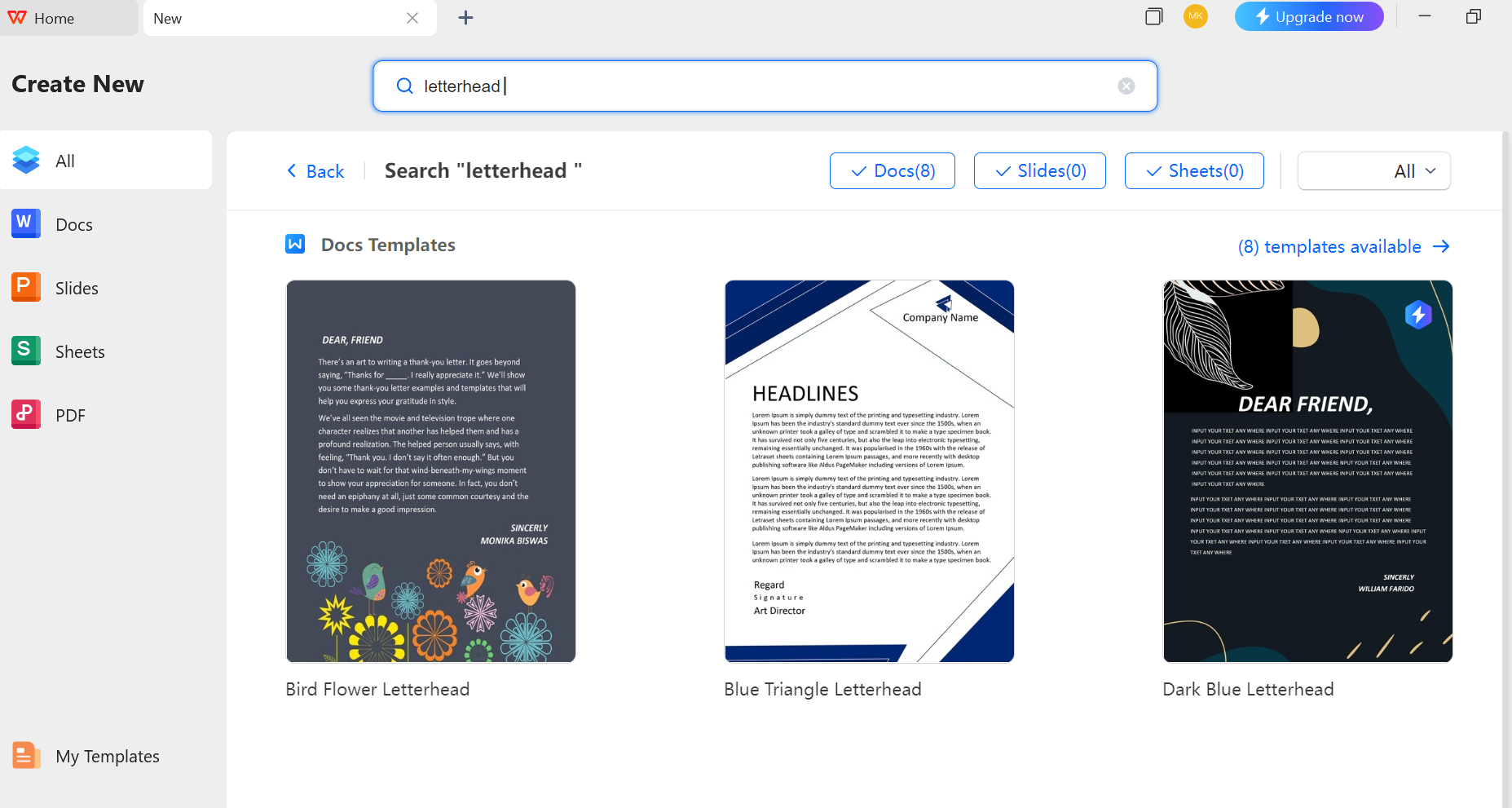
Insert the Business Logo at the Upper Section of the Page for Visibility
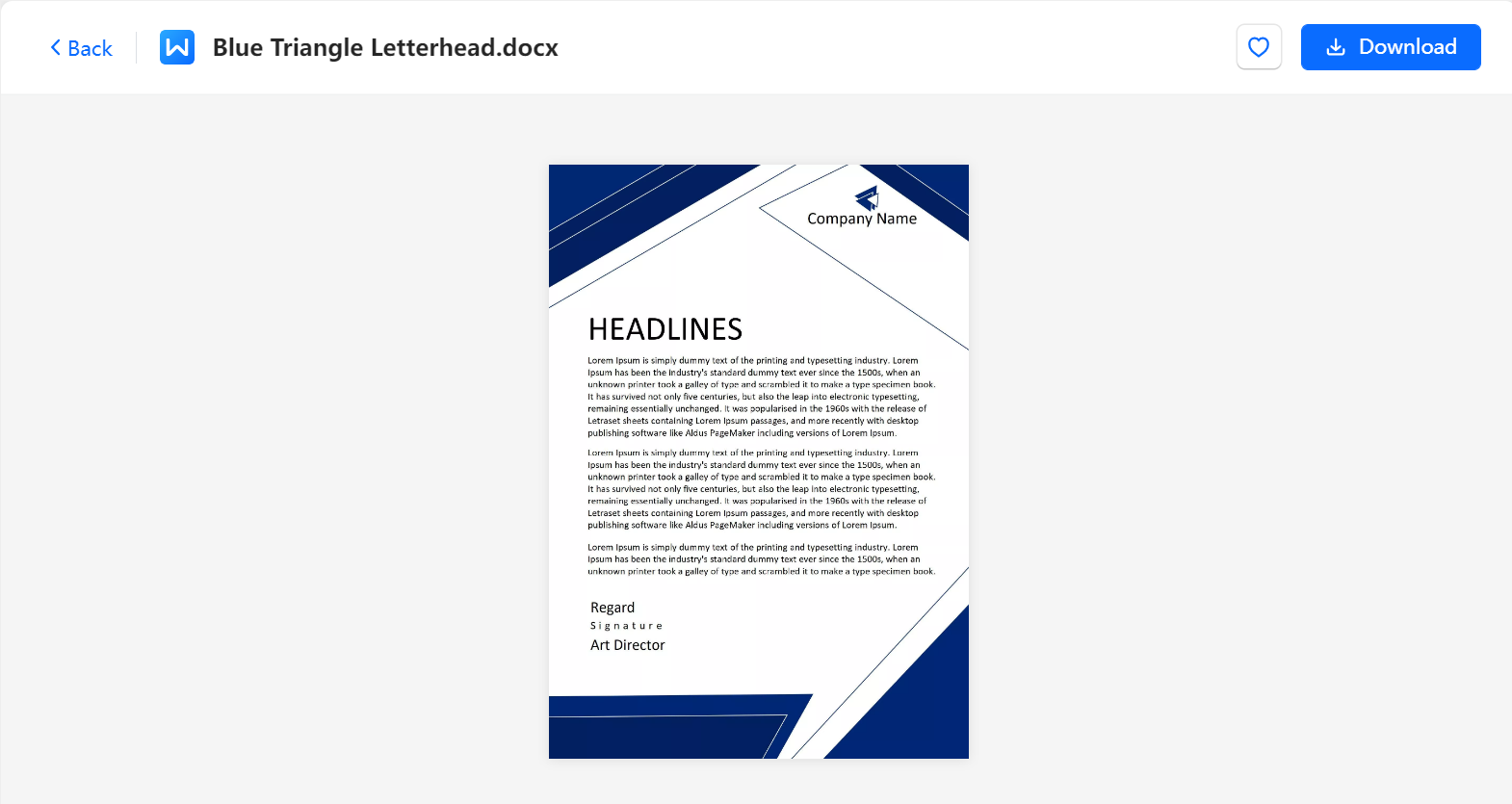
Include your Company Name, Address, and Contact Information Directly Below the Logo
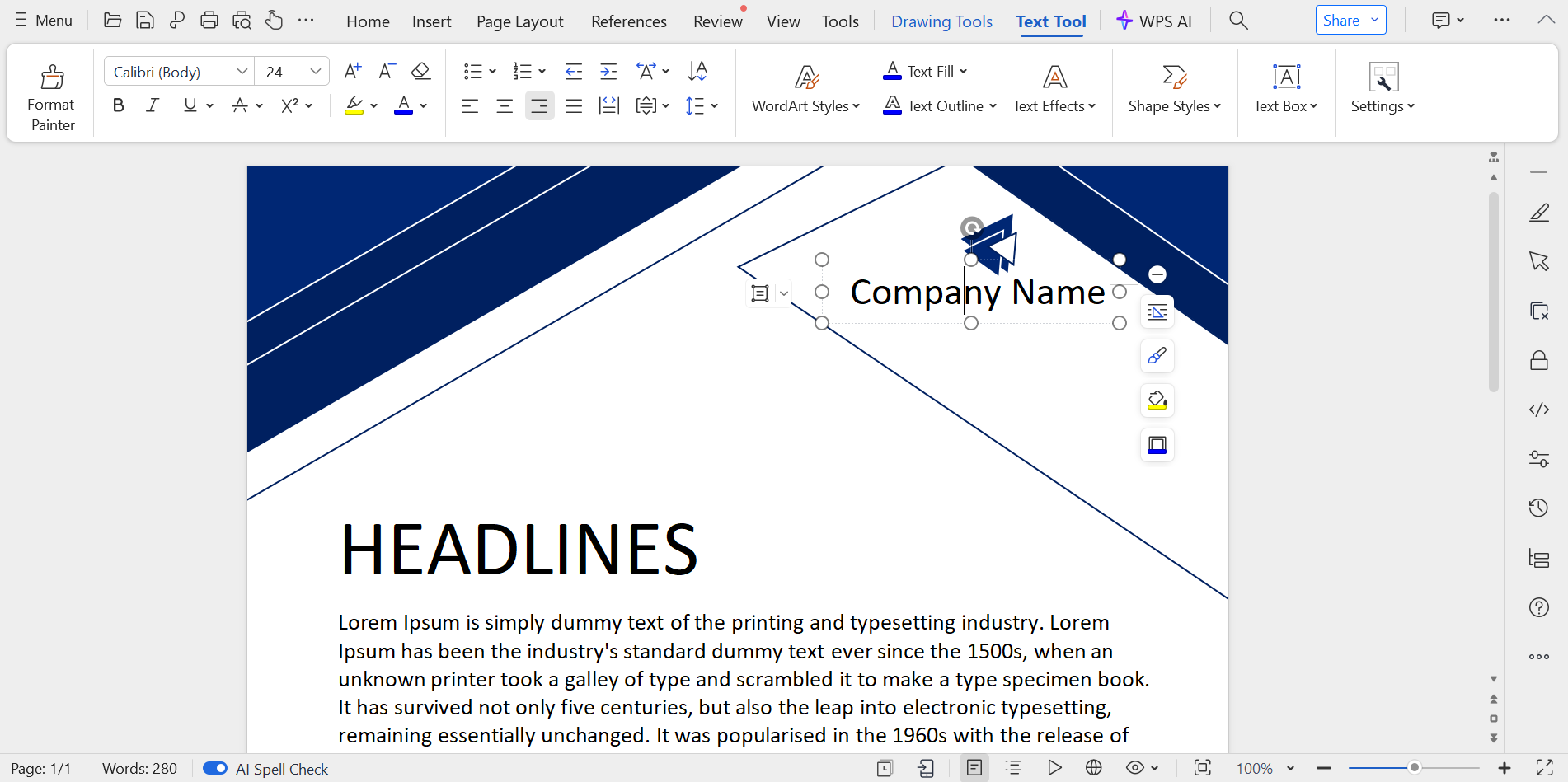
Use the “Header” Feature to Ensure the Letterhead Appears on All Pages
Store the Document as a Template for Later Use
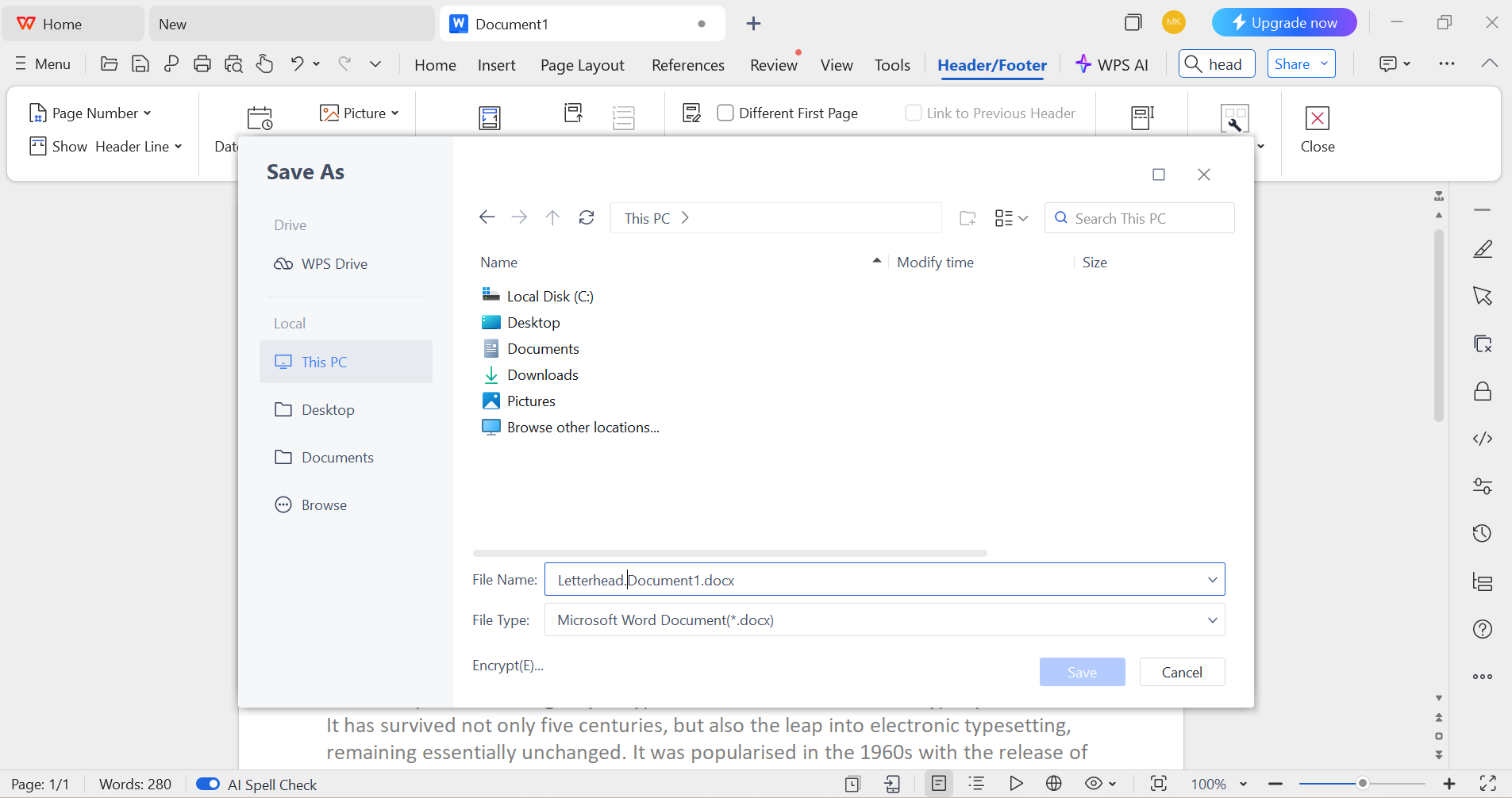
Number, place of registration (e.g., England and Wales), and the registered office address. Sole Traders: Should display the business name, the proprietor’s name, and the business. This process simplifies how to make letterhead templates that can be reused for consistent branding across all correspondence.
Preparing Your Letterhead for Printing
When considering how to prepare letterhead for printing, ensure that your design is print-ready:
1. Resolution: Opt for 300 dpi images to maintain clarity and prevent pixelation.
2. Colour Mode: Set the colour mode to CMYK, which is standard for printing.
3. Bleed and Margins: Include appropriate bleed areas and margins to avoid cutting off important elements.
Seeking advice from a professional printing service helps ensure superior print quality.
Conclusion
Creating a business letterhead requires attention to legal standards, brand alignment, and design fundamentals. Incorporating elements such as DL leaflet formatting into your printed materials can enhance both professionalism and usability, especially when aligning your letterhead design with standard envelope sizes and marketing collateral. By following the guidelines outlined above, you can create a letterhead that not only complies with UK standards but also effectively represents your company’s identity.


