
 Contact Us
 My Account
 Basket


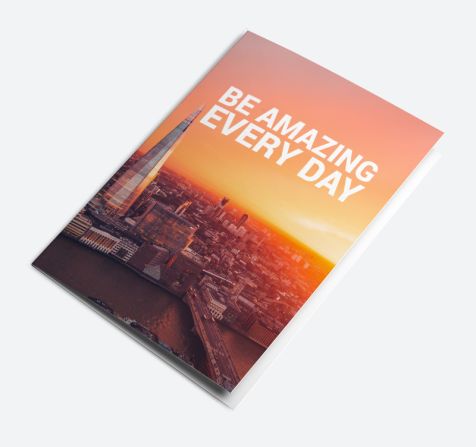
When it comes to printing world, maintaining clarity is very crucial, whether it is in selection of right colour choice, fonts or size. Typography is a critical aspect of printed materials, influencing both readability and aesthetic appeal.
Whether you’re selecting a typeface for books, business cards, or brochures, choosing the most easy to read font ensures clarity and professionalism.
But what’s this typeface that works best for printing? In this article, we’ll explore the best letterpress typeface options, how different fonts impact readability, and why font selection matters in print design.
What Makes a Typeface Easy to Read?
A good print typeface must have:
✔ Well-defined letterforms – Avoiding excessive stylisation for clarity.
✔ Balanced stroke thickness – Ensuring readability in different sizes.
✔ Proper spacing – Preventing letters from blending together.
✔ Serif or sans-serif structure – Based on the reading context.
When considering what is the easiest font to read, fonts such as Times New Roman and Garamond are popular for long texts due to their clear letterforms and readability.
On the other hand, Arial and Helvetica offer high readability for headlines and short-form content, making them great choices for easy-to-read typography in various designs.
For marketing materials, choosing the right typeface is crucial. Products like a z card, brochures, and flyers require legible fonts to ensure key details stand out. For example, Futura and Verdana are excellent choices for compact print formats like z cards and business cards, where clear readability in small sizes is essential. Similarly, Open Sans works well for leaflets and posters, balancing modern aesthetics with readability.
Selecting the right font for different print materials can enhance visibility and engagement, making it easier for readers to absorb the information effortlessly.
Best Fonts for Printing
Choosing the right font for printing depends on the medium and intended audience. Below is a comparison of popular print fonts and their best uses:
| Font Name | Type | Best for |
| Times New Roman | Serif | Books, newspapers, official documents |
| Garamond | Serif | Magazines, brochures, classic prints |
| Arial | Sans-serif | Posters, marketing materials, signage |
| Helvetica | Sans-serif | Corporate branding, advertising |
| Georgia | Serif | High-contrast printed materials |
Serif fonts like Garamond and Georgia work well for detailed documents, while sans-serif options such as Helvetica and Arial are better suited for clean, modern designs.
The Role of Typeface in Print Design
When selecting a letterpress typeface, it’s essential to consider its suitability for different printing methods. Letterpress printing, commonly used for luxury greeting cards, high-end greeting cards such as wedding invitations, anniversary cards, or bespoke thank you notes requires fonts with strong, clean strokes to ensure sharp impressions.
Similarly, compact print formats like the z card, business flyers, event invitations, postcards, or promotional leaflets benefit from fonts with clear spacing, making information easily accessible without overwhelming the reader.
Print Typeface vs Digital Typeface
There are notable differences between print and digital fonts:
- Print fonts are designed for ink-based output, ensuring sharp edges and balanced spacing.
- Digital fonts are optimised for screens, often with pixel adjustments to improve readability.
For example, a print typeface like Garamond is widely used in book publishing, while sans-serif fonts such as Verdana are favoured for digital interfaces due to their screen-friendly design.
Readability of Print Fonts
Research from the UK Typography Association in 2023 analysed font readability scores in printed materials:
| Font | Readability Score (out of 10) |
| Arial | 9.0 |
| Helvetica | 8.7 |
| Times New Roman | 8.5 |
| Garamond | 8.2 |
| Georgia | 7.9 |
The study confirmed that fonts like Arial and Helvetica are among the most legible choices for print due to their simple, clear strokes.
Why Typeface Choice Matters for Accessibility
A study by the British Dyslexia Association highlights the importance of font selection for accessibility. Fonts such as Arial, Verdana, and Tahoma improve readability for individuals with dyslexia and other reading difficulties.
This makes font choice crucial in industries that rely on printed educational materials, government documents, and public signage.
Conclusion
Selecting the most easy to read font depends on the type of content, audience, and printing method. Serif fonts excel in long-form reading, while sans-serif fonts offer clarity for quick scanning. Whether designing a luxury greeting card or crafting a z card for marketing, choosing the right font for printing ensures readability and professionalism.


