
 Contact Us
 My Account
 Basket


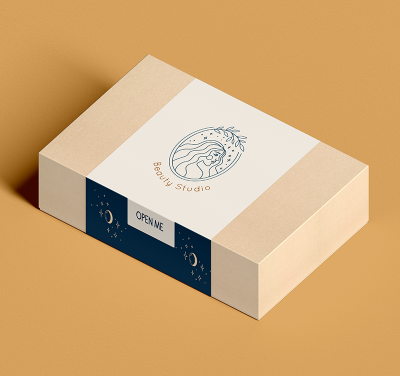
Packaging plays a pivotal role in product protection, marketing, and sustainability. In the UK, the packaging industry has witnessed significant evolution, driven by consumer preferences and environmental considerations. This guide delves into the various types of packaging, materials used, and pertinent statistics to provide a holistic understanding tailored to the UK audience.
Choosing the Right Packaging Solution Based on Your Needs
Choosing the right packaging is a pivotal decision that impacts each stage of the supply chain and plays a key role in customer satisfaction. To make well-informed decisions, take the following factors into account:
- Cost Optimisation: The packaging should protect the product effectively without inflating costs, thereby preserving profitability.
- Supply Chain Efficiency: Efficient packaging can streamline storage, transportation, and handling processes, reducing time and costs throughout the supply chain.
- Product Characteristics: The nature of the product—whether it’s perishable or non-perishable, liquid, solid, or gaseous, along with its weight and size—dictates the type of packaging required.
- Hazardous Materials: Products that are chemical-based or possess hazardous properties necessitate specialised packaging to ensure safety during handling and transport.
- Environmental Impact: With increasing global emphasis on sustainability, opting for recyclable or biodegradable packaging materials can significantly reduce environmental footprints.
For fragile items, incorporating protective materials like bubble wrap or padded inserts is essential to prevent damage during transit or storage. By carefully evaluating these factors, businesses can select packaging solutions that not only safeguard their products but also enhance operational efficiency and align with environmental responsibilities. Additionally, investing in high-quality packaging printing can further strengthen brand visibility and ensure that even protective packaging reflects a professional, cohesive brand image.
Types Of Product Packaging
Packaging can be broadly classified into three main categories:
- Primary Packaging: This is the immediate packaging that encloses the product, such as a bottle containing a beverage or the wrapper around a candy bar. It directly touches the product and is designed to protect it while providing essential information to the consumer.
- Secondary Packaging: This refers to the packaging used to bundle primary units, streamlining handling, storage, and transportation. Examples include cardboard boxes holding multiple cans of soda or shrink wraps bundling several products.
- Tertiary Packaging: Used primarily for bulk handling, storage, and distribution, tertiary packaging includes pallets, large containers, and protective wraps that ensure products reach their destinations without damage.
Most Popular Packaging Styles in 2025
In 2025, packaging styles in the UK will have adapted to emerging consumer preferences towards sustainability, convenience, and innovation. Brands are adopting increasingly eco-friendly types of packaging materials and minimalist designs to prevent waste and provide functional, aesthetically pleasing solutions. Customisation is also rising as businesses seek unique packaging that aligns with their branding and enhances the customer experience. Additionally, innovative packaging embedded with technology offers interactivity that consumers find attractive.
The following are the most common packaging designs in the UK in 2025:
- Tuck End Boxes: A versatile packaging style featuring flaps that open effortlessly from both ends. Commonly used for products like cosmetics and electronic gadgets. These boxes are cost-effective and easily customisable.
- Rigid Set-Up Boxes: Heavy-duty and glamorous, these boxes are ideal for jewellery, electronics, and gift items, providing durability and a premium feel when opened.
- Stand-Up Pouches: Widely used to pack food and drink products, these lightweight, flexible pouches can stand upright on shelves and often feature resealable options for added convenience.
- Mailer Boxes: Corrugated mailer boxes are excellent for shipping products while maintaining a professional appearance. These are commonly employed in subscription services and e-commerce packaging solutions.
- Sleeve Packaging: This style features a sliding cover added for a sleek, minimalist look. Often used for tech gadgets, cosmetics, and luxury goods, it provides a premium feel using minimal materials.
- Kraft Paper Bags: Biodegradable and eco-friendly, these bags are easily customisable to display food items and retail products, aligning with sustainable packaging trends.
Frustration-Free Packaging
Frustration-free packaging refers to easy-to-open, eco-friendly packaging free of excess materials such as plastic ties or unnecessary tape. To reduce consumer frustration, this packaging style emphasises,
- Easy Opening: Designed for quick and hassle-free access without the need for additional tools.
- Environmental Friendliness: Minimises waste by eliminating unnecessary packaging materials.
- Product Protection: Ensures items are securely packaged to prevent damage during transit.
The goal of frustration-free packaging is to enhance sustainability and improve the customer experience.
Conclusion
Packaging is a critical element in product presentation and sustainability, directly influencing consumer choices. Across the UK, there is a clear movement towards sustainable and innovative packaging solutions. At VC Print, we specialise in delivering customised packaging that aligns with your brand’s values and meets evolving market demands. We offer solutions crafted from different types of packaging materials, ensuring the right balance of functionality, sustainability, and visual appeal. Partner with us to create packaging that not only protects but also enhances your product’s appeal.


