
 Contact Us
 My Account
 Basket


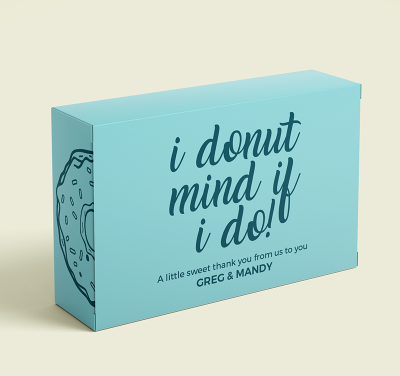
In the highly competitive UK market, product packaging often acts as the silent salesperson that can make or break a sale. From the aisles of supermarkets to the unboxing videos on social media, how a product is packaged shapes consumer perceptions and decisions. This blog delves into how effective packaging influences UK consumers, backed by data, and what businesses can do to leverage packaging as a powerful marketing tool.
Packaging as a First Impression and Purchase Driver
First impressions are critical, and packaging is usually the first tangible interaction a consumer has with a product. An effectively crafted package stands out on a crowded shelf, instantly conveying value and capturing consumer attention. In fact, studies show that a large majority of shoppers in the UK rely on packaging to inform their choices—one survey found 73% of UK shoppers use packaging design and information to aid their buying decisions at the point of purchase.
Packaging significantly influences how consumers perceive a product’s value and quality. High-end or thoughtfully designed packaging often creates a sense of premium value, encouraging trust and perceived worth. This psychological impact can support higher pricing and drive initial customer interest or purchase decisions.
For online purchases, the unboxing experience plays a pivotal role in shaping customer perceptions. Receiving an order in visually appealing, branded packaging can create a lasting impression, enhance customer satisfaction, and foster brand loyalty. Thoughtful packaging elevates the overall buying journey and can encourage repeat business.
In other words, great packaging not only wins customers once but also encourages repeat purchases. Notably, a unique unboxing experience—enhanced through thoughtful packaging printing—can drive social sharing, as many customers post photos or videos of standout packages, offering the brand valuable word-of-mouth marketing.
The Psychology of Packaging: Colour, Design and Material
Beyond aesthetics, packaging psychology plays a key role in consumer appeal. Elements like colour, typography, and materials evoke emotions and influence buying decisions. Colour psychology is especially impactful—warm tones like red and orange grab attention and drive impulse buys, while cooler tones like blue build trust, and green signals sustainability. Strong visual branding with consistent logos and design helps build recognition and consumer confidence. Meanwhile, packaging material matters too—flimsy packaging can suggest low quality, whereas textured or glossy finishes imply a premium product.
The feel of a package and how it opens can enhance perceived value. Practical features like resealable closures or easy-pour designs also improve usability, especially for food and cosmetics. Ultimately, packaging that looks good, feels premium, and functions well shows consumers the brand cares about their overall experience, influencing not just purchase decisions but also brand loyalty.
UK Consumers Demand Sustainable Packaging
Sustainability has become a growing priority for UK consumers when it comes to packaging. Shoppers are increasingly aware of packaging waste and its environmental impact, and they expect brands to take responsibility. Recent data shows that about eight in ten UK consumers prefer products that use environmentally friendly packaging materials.
This preference directly affects purchasing behaviour: nearly 64% of consumers say they are more likely to buy from a brand or retailer if it uses sustainable packaging. Many are even willing to pay a premium for eco-friendly choices—roughly 50% of shoppers are willing to pay more for sustainable packaging and delivery options.
Sustainable packaging has become a key factor in shaping consumer perceptions and brand loyalty. Eco-friendly materials and minimal designs signal a brand’s commitment to environmental responsibility, resonating with values-driven shoppers. Conversely, excessive or non-recyclable packaging can deter purchases, highlighting the importance of aligning packaging choices with consumer expectations.
Packaging Formats for Every Need (VC Print’s Solutions)
For businesses looking to apply these insights, there is no one-size-fits-all solution—the packaging format should fit the product and the target audience. Here are a few popular packaging types and how they help influence consumer perception:
Pillow Boxes for Gifts & Cosmetics
Pillow boxes are small, curved cartons that add charm to any presentation. They’re popular for items like jewellery, cosmetics, or gift cards and are often used as elegant favour packaging at events. The distinctive shape helps small products stand out and feel special—perfect for point-of-sale displays or as wedding favour boxes that leave a memorable impression on guests. Pillow boxes are also easy to assemble and can be printed in various finishes (from matte or gloss laminations to foil accents) to match a brand’s aesthetic.
Food Sleeves & Box Sleeves
Sleeves are a versatile packaging solution used to add branding to products without enclosing them completely. A sleeve is a custom-printed band designed to wrap around a product or container, enhancing its visual appeal and branding. In food packaging, food box sleeves are common for items like takeaway meals, chocolate bars, or coffee cups, providing space for branding and product info while letting the product itself show through. This approach uses less material than full boxes, aligning with eco-friendly goals, and it’s cost-effective for businesses. Sleeves can be custom-sized for anything from gourmet soap bars to apparel boxes, making them a flexible option in retail. With an eye-catching design, even a simple sleeve can instantly upgrade a product’s shelf appeal and convey important messages (like ingredient details or sustainability credentials).
Crash Lock Mailer Boxes for E-commerce
For e-commerce and subscription products, sturdy shipping boxes are crucial. Crash lock boxes—a type of mailing box with a pre-glued, auto-locking base—are designed for quick assembly and secure shipping. They pop into shape without needing excessive tape, making packing operations faster and more efficient. These mailer boxes ensure that products arrive safely and also provide a great unboxing experience with their easy-open design. Businesses can customise them with logos, graphics, and even interior prints so that a branded custom box greets the customer upon delivery. A well-designed crash lock mailer box not only protects the contents in transit but also reinforces brand professionalism and delight when the customer opens their package.
Conclusion
For UK brands in retail, food, cosmetics, or e-commerce, investing in thoughtful packaging design is a smart strategy that directly impacts the bottom line. The evidence is clear that packaging influences consumers at every stage, from grabbing attention in-store to shaping the post-purchase experience. By understanding the psychology behind packaging (colour choices, design cues, and material impact) and by meeting the growing demand for sustainability, businesses can make their packaging an asset rather than an afterthought.


