
 Contact Us
 My Account
 Basket


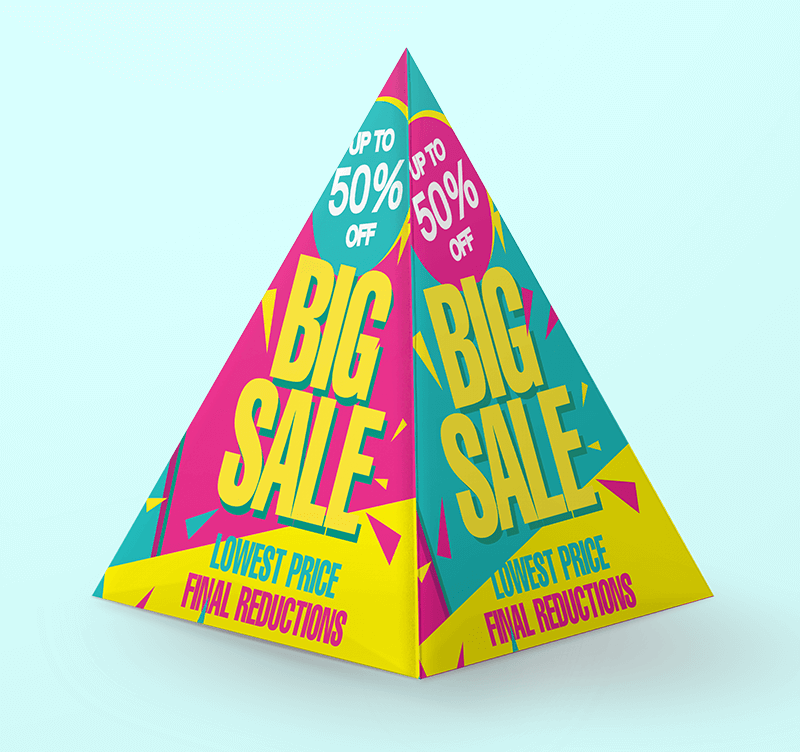
The UK high street is evolving, yet one traditional marketing tool remains as critical as ever: physical signage. From eye-catching storefront signs to informative point-of-sale displays, printed signage shapes how customers perceive businesses and influences their buying decisions. In this article, we explore how well-designed physical signage – such as storefront signs, banners, window graphics, and in-store displays – can boost visibility, footfall, and brand trust, drawing on UK-specific examples and data. We also highlight common pitfalls to avoid and the key role printing companies play in creating impactful signs.
How Signage Influences Customer Perception and Behaviour
- First Impressions Matter: Your signage is often the first thing a customer notices. It should clearly represent your brand and professionalism.
- Drives Footfall: Well-designed signs catch attention and encourage walk-ins, even from people unfamiliar with your business.
- Builds Trust: The quality and upkeep of your signage reflect directly on how people perceive your products or services.
- Supports In-Store Decisions: Clear and attractive signs inside your premises guide customers and can influence buying decisions.
- Boosts Impulse Sales: Promotional or point-of-sale signage can prompt unplanned purchases by drawing attention at the right moment.
- Encourages Word-of-Mouth: Memorable or visually appealing signage can get people talking and recommending your business.
Examples of Signage Types Across Industries
Different industries use signage in varied ways to engage customers. Here are a few examples across sectors:
Retail
High street shops and supermarkets often use prominent fascia signs to showcase their brand, while point-of-sale displays and promotional posters help highlight new products and offers. For instance, a clothing boutique might use foamex board printing for a sleek, eye-catching window graphic announcing a “Winter Sale – Up to 50% Off”, attracting window shoppers with its vibrant design and durability.
Hospitality (Restaurants, Cafés, Pubs)
In hospitality, signage sets the tone and draws in guests from the street. Traditional pubs in the UK use hanging carved pub signs with unique imagery – a cultural touchpoint that can become a local landmark. Restaurants and cafés use window sticker graphics, printed menus on stands, or chalkboard signs on the sidewalk to advertise daily specials and create a welcoming vibe. A café, for instance, might place a printed banner or pavement sign outside stating “Fresh Bakery & Coffee – Open for Breakfast” to lure morning commuters. Inside, clear signs for ordering points or table numbers help streamline the customer experience.
Real Estate
Estate agents and property developers make heavy use of physical signage. “For Sale” and “To Let” boards posted outside properties are crucial for grabbing the attention of passersby and driving inquiries. Many home buyers first discover a property through these simple printed signs in front yards. On construction sites or new housing developments, large banner signs or hoardings with printed graphics advertise the project and branding. These not only market the properties but also inform the community about what’s coming. Effective real estate signage can create buzz and convey professionalism – for example, a well-designed development billboard can instill confidence that the builder is reputable.
Other Industries
Virtually all sectors use signage. Hotels and leisure venues have prominent exterior name signs and often illuminated entrance signs to signal their presence to travelers. Healthcare facilities use clear signage for navigation (think of hospital department signs) and to reassure visitors they’re in the right place. Education institutions use campus signage and banners for events or open days. Even manufacturing or industrial businesses use outdoor signs at gates and wayfinding signs on site, ensuring visitors and deliveries find the right entrance. Across the board, signage serves to identify, direct, and inform – whether it’s a salon’s window decal listing services or a museum’s banner advertising a new exhibit.
Each industry may favor different sign formats – e.g. menu boards in a quick-serve restaurant versus safety signs in a factory – but the core purpose is the same: communicate essential information and draw the desired response from the viewer (be that to enter, to explore, or to take a specific action).
Benefits of Well-Designed Signage: Visibility, Footfall & Trust
What exactly can good signage do for your business? Below are key benefits of investing in quality design and print for your signs:
Boosted Visibility and Brand Recognition
Attractive signage increases your visibility in a crowded market. A creative, well-placed sign makes your business stand out on a busy street, ensuring you’re not overlooked. Consistent use of logos, colours, and style across your shopfront sign, window graphics, and banners also reinforces brand recognition.
Increased Footfall and Impulse Visits
As noted, good signage is directly linked to higher foot traffic. By catching the eye of potential customers, signs can convert pedestrians into visitors. This is especially true for impulse stops—someone walking by might not have intended to enter your shop, but a persuasive window poster (e.g. “New Autumn Collection Now In”) or a bright banner can pique their interest.
Better Customer Comprehension and Confidence
Clear signage helps customers understand your offerings and navigate your space, which improves their overall experience. Exterior signs can quickly communicate what you sell or if you’re open. Interior informational signs (like aisle markers, category signs, or point-of-sale displays) guide shoppers to what they need without frustration. This convenience factor makes customers more confident and comfortable shopping with you.
Enhanced Professionalism and Trust
High-quality signage builds trust. When a sign looks professional – sturdy materials, crisp printing, and good design—it signals that the business behind it is legitimate and cares about quality. This can set a new customer at ease. Imagine two shops side by side: one with a faded, peeling sign and another with a fresh, well-designed sign.
Higher Sales and ROI
Ultimately, the above benefits translate into higher sales. Increased foot traffic and positive customer perception contribute to more transactions. Effective signs can also drive specific purchases – for instance, a point-of-sale display highlighting a new product can boost its sales.
Common Pitfalls to Avoid with Signage
Too Much Clutter: Signs overloaded with text or graphics can confuse rather than inform. Ensure it’s straightforward, concise, and visually accessible at first glance.
Poor Visibility: Even great designs fail if the sign isn’t easily visible. Ensure good placement and lighting, and avoid visual obstructions.
Lack of Key Information: Make sure your sign includes essentials like business name, nature of service, and contact or opening info.
Neglected Appearance: Faded, dirty, or damaged signs reflect poorly on your business. Regularly clean and maintain them for a professional look.
Ignoring Rules: Many areas have signage regulations. Not following them can lead to fines or removal. Always check local requirements.
The Role of Printing Companies in Delivering Impactful Signage
Designing and producing effective signage is a specialised task—this is where professional printing companies come in.
Expert Design Consultation
Printing companies often have in-house designers or experience working with various sign layouts. They can advise on the optimal font sizes, colour contrasts, and layout for readability. Crucially, they ensure your signage stays on-brand. For example, if your brand colours are blue and white, they’ll make sure those translate correctly in print (Pantone matching, etc.) so that your sign reinforces brand identity.
Material and Printing Quality
The choice of material, such as wood, aluminium, acrylic, vinyl, or fabric, along with the appropriate printing method, significantly impacts both the appearance and durability of signage. For example, a printing company might recommend using UV-resistant vinyl or acrylic for outdoor shop fascia in the UK to prevent fading, while a durable material like cardboard might be ideal for box sleeves used in retail displays to maintain structural integrity.
Customisation for All Sign Types
A versatile printing company can deliver a wide range of sign types to cover all your needs. This includes exterior signs (shopfront signs, building-mounted signs, freestanding post signs), interior signs (posters, wall graphics, floor decals, wayfinding signs), and promotional displays (point-of-sale stands, hanging banners).
Installation and Maintenance Support
Many sign printing companies in the UK offer installation services, making sure your sign is safely and optimally installed (whether that’s anchoring a signboard to a brick façade or applying large window vinyl without bubbles). Proper installation means your sign is secure (important for safety in public spaces) and positioned for best visibility.
Innovative Printing Techniques
The printing industry continually evolves, and a good signage provider stays up-to-date with new techniques that can benefit your signage.This could involve eco-friendly printing (utilising sustainable inks and recyclable materials, a growing priority for many UK businesses focused on sustainability), durable laminates for extended lifespan, or innovative features like 3D lettering, embossing, or reflective vinyl for enhanced night visibility.
While anyone can technically print a basic banner, professional printing companies ensure your signage truly delivers results. They combine design expertise, quality production, and practical know-how to create signs that catch eyes, convey your brand message clearly, and withstand the environment. For UK businesses looking to maximise the impact of their signage, partnering with experienced printers means you won’t have to navigate the complexities of design, materials, and installation alone—you’ll get a signage solution that is tailored to your goals and executed to high standards.
Conclusion
In today’s competitive market, effective signage is essential. It shapes first impressions, builds trust, and influences buying decisions—especially on UK high streets. Well-designed signs boost visibility, footfall, and brand loyalty, while poor signage can deter potential customers. By avoiding common mistakes and working with expert printers, businesses can create signage that truly connects. Remember, one great sign could be all it takes to win your next loyal customer.


