
 Contact Us
 My Account
 Basket


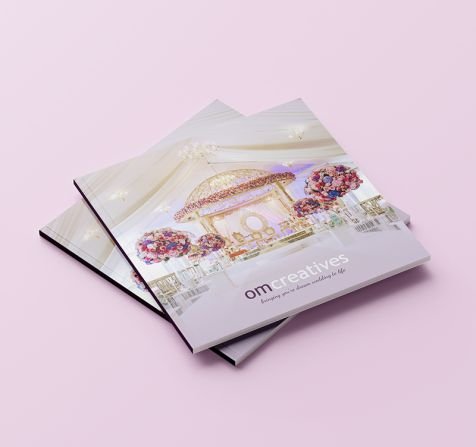
In the ever-evolving UK printing landscape, businesses are seeking cost-effective strategies to produce high-quality catalogues and brochures. As the UK printing industry anticipates a downturn to £9.2 billion by 2024–25 at a 4.1% annual rate, adopting efficient and adaptive practices becomes critical for survival.
Here are five insider tips to help you maximise your printing budget without compromising on quality.
1. Optimise Page Counts with Multiples of 16
Printing efficiency largely depends on a thorough understanding of the process mechanics. Printed materials are typically produced in sections, each comprising a set number of pages. For instance, printing workflows typically favour 16-page sections owing to the efficient layout of folding and binding processes. Designing your brochure or catalogue with page counts in multiples of 16 (e.g., 16, 32, 48) can lead to significant savings. This approach minimises paper waste and reduces the need for additional printing plates, thereby lowering production costs. Even if it means adding a few blank pages to meet this count, the overall savings can be substantial.
2. Select Cost-Effective Paper Options
Paper choice plays a pivotal role in the overall cost of printing. While premium, heavy-weight papers can enhance the feel of your materials, they also increase expenses. For instance, a UK-based outdoor clothing brand achieved an 87% increase in response rates and a 30% rise in average order value by using personalised digital covers tailored to segmented customer data. By incorporating variable data printing, you can customise content to resonate with specific audiences, enhancing the effectiveness of your campaigns.
Opting for lighter paper stocks, such as 70gsm or 80gsm, can reduce costs without significantly affecting quality. These lighter papers are not only more affordable but also reduce mailing costs due to their decreased weight. It’s about finding the right balance between quality and cost to suit your specific needs.
3. Embrace Bulk Printing for Economies of Scale
One of the most effective ways to reduce the print advertising cost and printed materials is through bulk printing. Bulk print runs typically reduce unit costs by spreading setup expenses across a higher volume of materials.
For example, printing 5,000 brochures might only marginally increase the total cost compared to 2,500, but the cost per brochure decreases significantly. This strategy is particularly beneficial for materials with a longer shelf life or for businesses planning multiple distribution phases. However, precisely estimating requirements is key to preventing overstock.
4. Simplify Design to Reduce Complexity
Complex designs with intricate folds, die-cuts, or multiple finishes can escalate printing costs. Simplifying your design not only reduces these expenses but also often results in a cleaner, more effective communication piece. Utilising standard sizes like A4 paper size or A5 paper size and limiting the number of folds can streamline production.
Moreover, focusing on a minimalist design can enhance readability and ensure your message isn’t lost in overly elaborate visuals. In marketing, clear messaging often delivers more impact than complicated language.
5. Leverage Digital Printing for Short Runs
For smaller quantities or materials requiring frequent updates, digital printing offers a cost-effective solution. Digital printing eliminates the need for plates, significantly lowering setup costs and accelerating production timelines compared to offset printing. This method is ideal for personalised materials or test campaigns where flexibility and speed are paramount. Additionally, digital printing allows for easy modifications between runs, enabling businesses to adapt quickly to market feedback or changes in offerings.
Conclusion
By implementing these strategies, UK businesses can significantly reduce their catalogue and brochure printing costs while maintaining high-quality outputs. It’s about making informed choices at each stage of the printing process, from design and paper selection to printing methods and quantities. With careful planning and a focus on efficiency, your printed materials can continue to be a powerful asset in your marketing arsenal.


