
 Contact Us
 My Account
 Basket


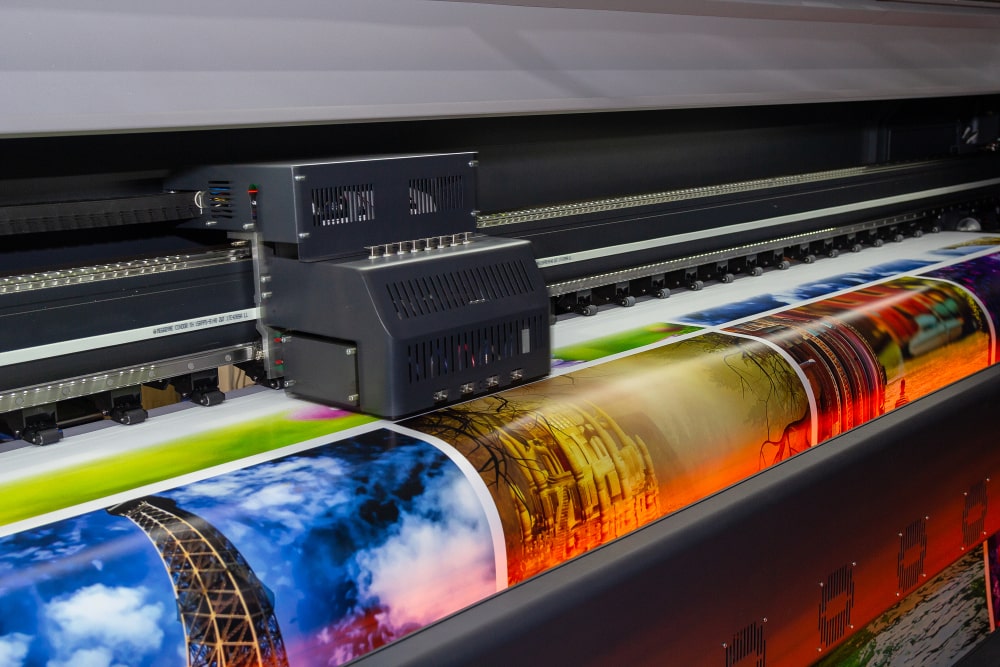
There’s something special about holding a physical photograph snapshot in your hand. But the question here is which photo printing paper can bring back life to physical photos.
Should it be Glossy? Matte?
Well, the options are endless, but fear not, as we are here to sort out your worries.
Keep reading this useful guide to gain the best insights and knowledge about photo paper for printers, the various types of photo paper, and more.
What is Photo Printing Paper?
The photographic paper has a coating with a light-sensitive chemical formula. Basically, it is like photographic film, used for making photographic prints.
Moreover, what copy paper is to text-based documents, photo paper is to photographs and images. Equally important, copy paper is thicker, but on the contrary, photo paper is thicker, glossy paper with an extra coating, which absorbs printer and copier ink better and dries faster.
But what makes a good photo paper for printer? Well, it’s not just about thickness or size; it’s about finding the perfect balance of the surface finish, weight, and colour reproduction to suit your printing needs.
Choosing Photo Paper GSM
When selecting the best photo paper, consider the GSM (grams per square metre) as an indicator of thickness and quality. A higher GSM typically indicates a thicker, sturdier paper that can withstand handling and display without curling or warping.
Here are some industries that use coated paper:
- Government: Reports, presentations, official documents
- Art and Creative: Artworks, design, gallery portraits
- Printing: Flyers, posters, promotional items
- Corporate: Invitations, business cards, letterheads
- Publishing: Books, brochures, catalogues, magazines
Quick Tip: For the best professional-quality prints, opt for photo paper for printers with a higher GSM.
Types of Photo Printing Paper
The four main types of photo paper include:
Glossy Paper
Glossy photo paper is known for its vibrant colours and high contrast. Additionally, it is ideal for showcasing landscapes and portraits.
Matte Photo Paper
This type of paper offers a subtle, non-reflective finish. This is perfect for fine art prints and black-and-white photography. Moreover, it reduces glare, making it ideal for framing and displaying prints under various lighting conditions.
Semi-Gloss/ Lustre Paper
This paper has the advantage of being appropriate for posters. Furthermore, for photos with large areas of dark colour, semi-gloss is recommended to bring out the best in your image.
Luster/Pearl Paper
Pearl Lustre has a white and beautiful lustre-gloss surface. Additionally, this heavy-weight paper provides exceptional image results. In fact, it showcases a wide colour gamut and excellent image sharpness.
Magnetic Photo Paper
Magnet paper is a combination of magnetised rubber and paper. It typically comes in letter-sized (A4) sheets for easy printing. Henceforth, this type of paper is very popular for:
- Business cards
- Educational tools
- Instant magnet photos for the fridge
- Short-term advertising and marketing efforts
Quick Enlightenment: Compared to a satin finish, a pearl photo finish is slightly more glossy. Talking of a lustre finish, it is less glossy and closer to a matte finish. Not only this, when it comes to framing, glossy photos are the way to go. Yes, they are because their reflective and gleaming nature displays bold colours brilliantly.
Usage Based on Size of Photo Printing Paper
Here are different sizes of photo printing paper with their usage:
A2 Photo Paper
These dimensions are normally the perfect choice for calendars, posters and larger format printing.
A3 Photo Paper
A3 paper is often used in industries that require diagrams, including engineering and science.
A4 Photo Paper
This is a standard paper size. A4 is used in a variety of different industries, notably for the creation of magazines, posters, menus, flyers, calendars, notepads, reports and more.
A5 Photo Paper
The A5 size paper is another standard size of paper used in many countries around the world. Hence, it is typically used for printing documents, such as letters, invoices, reports, brochures, and booklets.
6×4 Photo Paper
This size is a standard dimension for many photo printers. It is commonly used for printing snapshots and photos for photo albums.
4×6 Photo Paper
This is used in passport size print, school projects, photo framing and personalised gifts.
5 x 7 Photo Paper
This photo paper is perfect for photography or any craft that requires photo prints.
8×10 Photo Paper
This photo paper is durable for 200 gsm paper, which is better for your portraits and gallery displays.
Mastering the Print Settings for Photo Paper
Most printers offer a variety of settings that can significantly impact print quality. So, it’s your sign to move over from the basic “print” button! Here are some key settings to explore:
Paper Type
Always select the specific type of photo paper you’re using. This ensures the printer uses the optimal settings for ink absorption and colour accuracy.
Print Quality
For the best results, choose the highest print quality setting availability. Additionally, this will use more ink but produce a sharper and more detailed image.
Colour Management
This setting allows you to control how your printer interprets and reproduces colours. Henceforth, if you’re feeling adventurous, you can experiment with different colour profiles to achieve specific effects.
Printing Note: Never compromise on the quality of the printing paper by choosing cheap photo paper. And yes, don’t just buy any cheap paper if you expect good results. Moreover, even high-quality paper will result in poor-quality prints if you don’t have an ICC (International Colour Consortium ) profile (ICC profiles are an essential part of a colour-calibrated print workflow) for the paper.
P.S. Whether you’re printing family portraits, vacation snapshots, or artistic creations, choosing the right photo printing paper is key to bringing your vision to life. So go ahead, experiment, create and let your imagination run wild because, with the right photo paper, the possibilities are endless.


